



It’s a scenario every Toronto driver knows too well. You head out to your car on a crisp morning—you scrape the frost off the outside of the glass, hop in, and crank the defrost. But as the engine warms up, you realize the problem isn’t on the outside anymore.
There is a layer of moisture, fog, or even water droplets clinging to the inside of your windshield.
Most of us grab a napkin or a sleeve, wipe it off, and merge onto the Gardiner or the 401 without giving it a second thought. We assume it’s just condensation—a normal side effect of Canadian weather.
While condensation is common, persistent moisture inside your vehicle is often a warning light your dashboard can’t show you. It’s frequently the first sign of a compromised windshield seal or a hidden leak.
If you are constantly battling interior fog, here is what your car might be trying to tell you—and why ignoring it could lead to bigger repair bills down the road.
The Difference Between Condensation and a Leak
Not every foggy window means your windshield is broken.
Condensation happens when warm, humid air inside the car meets the cold surface of the glass. In Toronto, where we track snow and slush onto our floor mats, the humidity inside the cabin naturally rises. When the temperature drops overnight, that moisture seeks the coldest surface: your windshield.
However, there is a difference between a light fog that clears up with the defroster and structural moisture.
You likely have a leak or a seal issue if:
- The moisture forms distinct water droplets rather than a thin mist.
- One specific area of the windshield gets wet while the rest stays dry.
- You smell a faint, musty odour (like old gym clothes) when you first get in.
- The carpet in the footwells feels damp, even if you haven’t tracked in snow.
The “Invisible” Culprit: Your Urethane Seal
Your windshield isn’t just a piece of glass held in place by gravity. It is bonded to the vehicle’s frame using a heavy-duty urethane adhesive. This seal does two things: it keeps the weather out, and it makes the windshield a structural part of your car’s safety system.
Over time, this seal can degrade. Why?
1. Toronto’s Freeze-Thaw Cycles: Our local weather is tough on auto materials. We often fluctuate from -10°C to +5°C in a span of 48 hours during the shoulder seasons. Metal expands and contracts with temperature changes. Over 10 or 20 years, this movement can create microscopic gaps in the urethane seal.
2. Rust and Corrosion: If a previous windshield replacement wasn’t done perfectly—perhaps the metal frame (pinch weld) was scratched and not primed—rust can form under the glass. As rust expands, it lifts the seal, creating a pathway for water.
3. Poor Installation: If you bought your car used, you might not know its history. If a previous owner opted for a “quick fix” replacement in a parking lot somewhere, the glass may not have been primed correctly, leading to a bond that fails years later.
Why You Shouldn’t Ignore the Moisture?
It is tempting to just keep a towel in the glovebox and keep driving. However, water is invasive. If moisture is getting past your windshield seal, it isn’t just staying on the glass.
Gravity pulls that water down behind the dashboard. This is where modern vehicles house their most sensitive electronics—fuse boxes, body control modules, and complex wiring harnesses. Water corrosion on these components can cause electrical gremlins that are notoriously expensive to diagnose and fix.
More importantly, a leaking seal is a safety issue. In the event of a rollover or airbag deployment, the windshield relies on that urethane bond to hold firm. If the seal is compromised by water or rust, the structural integrity of the cabin is reduced.
Is It Time for Repair or Replacement?
So, you’ve noticed the wet spots. What is the solution?
Diagnosing the source of a leak requires a trained eye. At Advantage Auto Glass Toronto, we have spent over 20 years tracing leaks that other shops missed. The solution generally falls into two categories:
1. The Surface Fix
Occasionally, the moisture entry point is actually a stone chip or crack that has penetrated the lamination of the glass. If the damage is small and located away from the edges, professional windshield repair in Toronto can sometimes seal the breach. However, this is rare for moisture issues; chips usually cause visual problems, not leaks.
2. The Reseal or Replacement
In most cases of water intrusion, the issue lies with the seal itself. Unfortunately, you cannot simply caulk over the edge of a windshield to stop a leak (please avoid using bathroom silicone—it traps moisture and accelerates rust).
To fix it properly, the glass usually needs to be removed.
- If the glass is in perfect condition: It might be possible to remove it, clean the frame, and reinstall it with new urethane.
- If the glass breaks on removal (common with older glass): You will likely need a full windshield replacement in Toronto. This allows the technician to clean down to the bare metal, treat any surface rust, and apply a fresh, factory-grade bond.
A Note on “Ghost” Leaks
Before you panic about your windshield, check one other common Toronto culprit: your sunroof drains.
If your car has a sunroof, there are small drain tubes that run down the pillars of the car. If these get clogged with leaves or debris (common in the fall), water backs up and drips onto the headliner, eventually running down the inside of the windshield.
It’s worth checking your floor mats and headliner for dampness before calling the pros.
Peace of Mind for Toronto Drivers
Driving in the GTA is stressful enough without having to wipe down the inside of your windshield at every stoplight.
If you are tired of the fog and worried about what that moisture is doing to your dashboard electronics, let us take a look. We don’t guess—we test. With over 400 top-rated reviews and a reputation for honesty, we will tell you exactly where the water is coming from.
Whether it’s a simple seal issue or you need a replacement, we offer same-day service to get you back on the road, dry and safe.
Stop ignoring the moisture. Protect your vehicle.
Call Advantage Auto Glass Toronto today: (416) 740-7779
Recent Posts
Related Posts
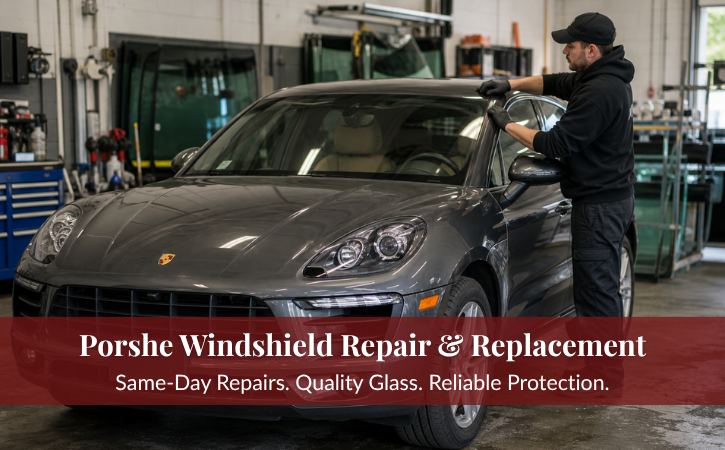
A Porsche windshield is more than glass. From acoustic glazing to forward-facing cameras, the right replacement depends on your exact model and options. Here's what Porsche owners in Toronto should know about repair, replacement, and camera calibration before approving any work on their car.
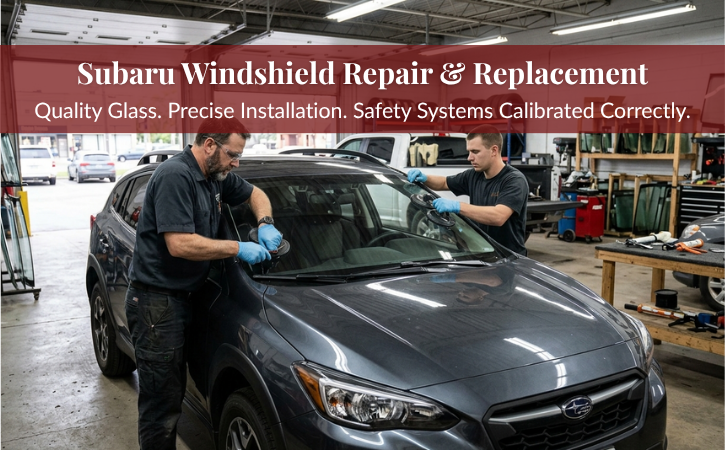
A chipped or cracked Subaru windshield isn't always a full replacement, and on EyeSight-equipped models the glass ties into driver-assistance cameras. Here's how to tell repair from replacement, why calibration can matter, and what Subaru owners across Toronto and the GTA should check before booking.