


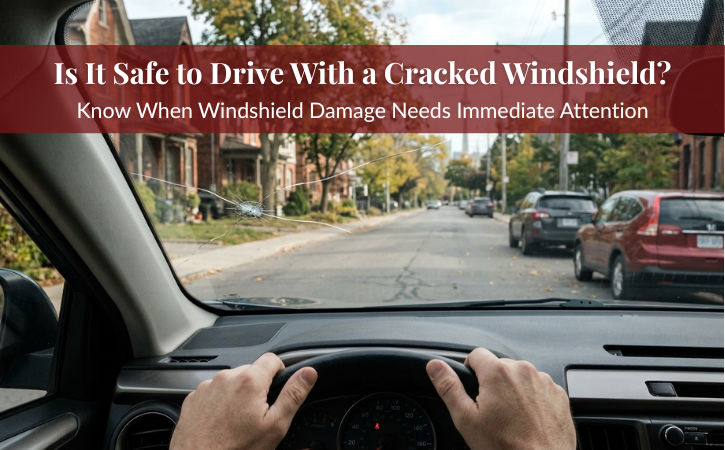
Finding a fresh chip or crack in your windshield usually raises an immediate question: can you keep driving, or does this need attention right away? It’s a fair thing to worry about, and the answer isn’t as simple as most people expect.
There’s no universal number of hours, days, or kilometres that applies to every damaged windshield. The urgency depends on the type, location, size, severity, and whether the damage is spreading. A tiny chip near the passenger corner is a very different situation from a crack creeping across the driver’s side. So the more useful question isn’t really “how long can I drive?” It’s “how soon should I get this looked at?” That small shift in thinking tends to lead to better decisions.
Can You Drive With a Cracked or Chipped Windshield?
In many cases, yes, at least for a short while. A small stone chip or a short, stable crack may not make your vehicle immediately undrivable, but it still deserves a prompt look from a professional. The trouble is that windshield damage rarely stays frozen in place, and a few specific situations change the math quickly.
What matters most is the type, size, location, and whether the damage is moving. Here’s where it becomes more serious:
- Damage in the driver’s line of sight, which can distort or obstruct your view even if the crack itself is small
- Cracks near the edge of the glass, which can be more likely to spread and may affect how the windshield contributes to the vehicle’s structure
- Long, spreading, or spiderweb-style cracking, which points to a windshield that’s losing integrity
- Multiple impact points or extensive damage across a wide area
Your windshield isn’t just a window. It contributes to the vehicle’s structural integrity and can play a role in how certain safety systems work, including proper deployment of the passenger-side airbag, so compromised glass is worth taking seriously.
When It’s Better Not to Drive at All
If cracking is extensive, actively spreading, or the glass looks like it could give way, that’s the point to stop driving and arrange service where the vehicle sits. The same goes for anything badly obstructing your vision. You shouldn’t be squinting around a web of cracks to see the road, especially in Toronto’s stop-and-go traffic or on a busy 400-series highway. When you’re unsure whether the damage crosses that line, it’s safer to treat it as though it does and get a professional opinion before driving further.
What Makes a Crack Spread?
This is where a lot of “wait and see” plans fall apart. Existing damage can worsen from ordinary driving stress, and our local conditions don’t help. A few common culprits:
- Temperature swings, like blasting the defroster on a cold morning or the freeze-thaw cycles we get through a GTA winter, which make the glass expand and contract around the weak point
- Potholes and rough pavement, which Toronto has in abundance, especially on roads torn up after winter
- Body flex and vibration over bumps, railway crossings, and the construction zones that seem permanent on GTA commutes
- A fresh impact from road debris or a kicked-up stone on the highway
None of this guarantees a chip will turn into a full crack. But each factor can nudge borderline damage in the wrong direction, which is why having a chip assessed and repaired promptly may reduce the chance of it developing into something larger that requires a full replacement.
On the topic of weather: rain won’t instantly ruin a damaged windshield, despite what you might read. The real issue is that moisture and dirt can work into an open chip or crack over time, and that debris can make a clean repair harder once it’s lodged in there. In the moment, your bigger concerns are visibility and the ongoing stress on the glass, not a passing shower.
Can You Drive to a Repair Shop, or Should Service Come to You?
For minor, stable damage, a short and careful drive to get it fixed is usually reasonable. Take it easy over bumps, skip the highway if you can, and go straight there.
When driving doesn’t feel like a good idea, whether the damage is severe, your visibility is affected, or you’d rather not risk a crack running further, our mobile auto glass service is the practical alternative. We can come to a location that works for you and handle the assessment there, so you’re not gambling on a drive across the city to reach us.
Repair or Replacement?
Not every damaged windshield needs to be replaced. Small chips and shorter cracks can often be repaired, depending on their size, depth, location, and how clean the damage is. Larger cracks, damage in the driver’s sightline, or anything affecting the glass structure usually points toward full replacement. The only reliable way to know is a professional look.
One modern note worth mentioning: if your vehicle has driver assistance features, replacing the windshield may require recalibrating the front-facing camera or sensors so those systems keep working correctly. It’s worth confirming with your auto glass provider whether that recalibration is handled as part of the job.
Get a Straight Answer Before It Gets Worse
If you’re staring at fresh damage right now, the smartest move is a quick professional assessment before ordinary driving decides for you. With 20+ years of experience and a same-day option in many cases, we can tell you whether a simple repair will do or a replacement makes more sense, restore clear visibility, and save you the guesswork. Getting it checked sooner can also help you understand the right next step before the damage becomes more extensive.
Call Advantage Auto Glass Toronto at (416) 740-7779 and we’ll help you sort it out today.
Recent Posts
Related Posts
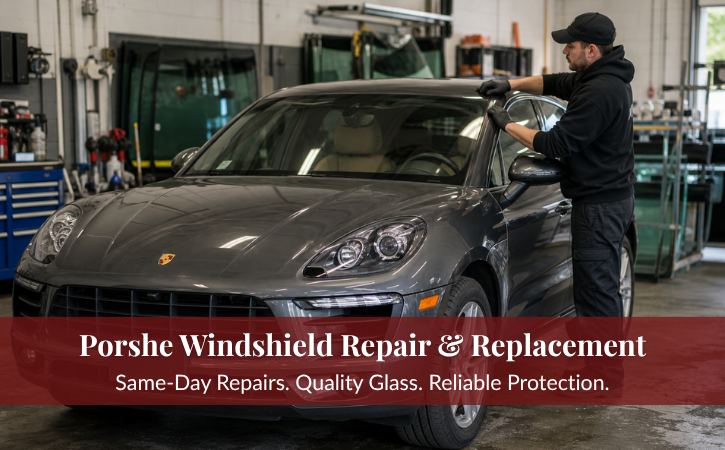
A Porsche windshield is more than glass. From acoustic glazing to forward-facing cameras, the right replacement depends on your exact model and options. Here's what Porsche owners in Toronto should know about repair, replacement, and camera calibration before approving any work on their car.
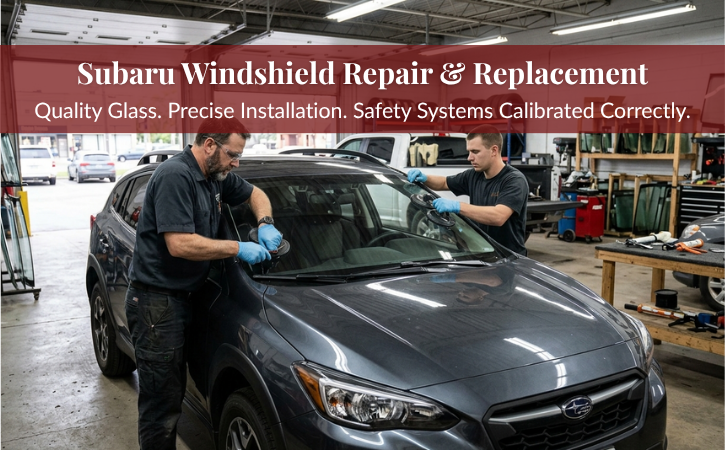
A chipped or cracked Subaru windshield isn't always a full replacement, and on EyeSight-equipped models the glass ties into driver-assistance cameras. Here's how to tell repair from replacement, why calibration can matter, and what Subaru owners across Toronto and the GTA should check before booking.